
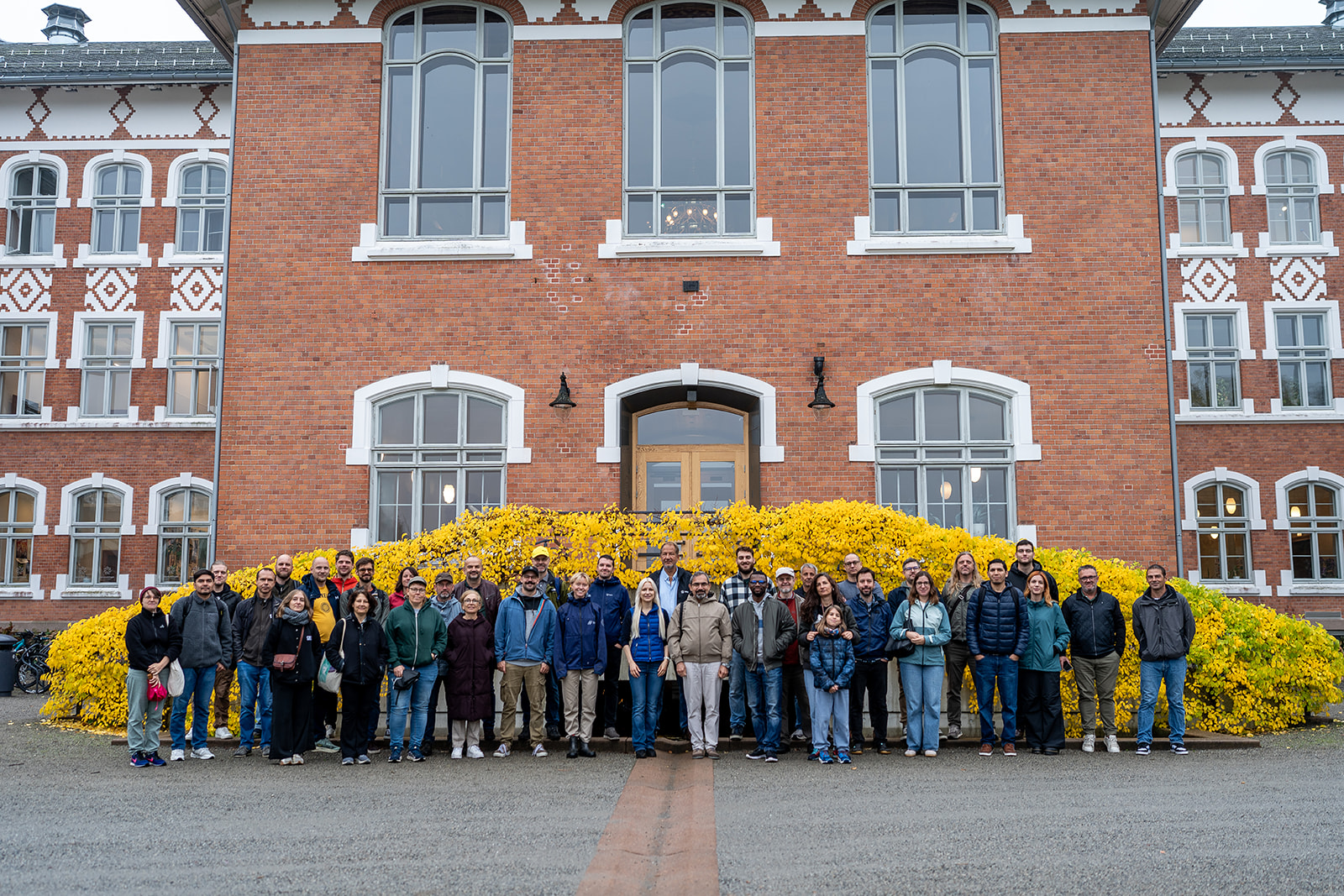
The NitroScope consortium gathered in Oslo, Norway, from 30 September to 2 October 2026 for its second Consortium Meeting, bringing partners together to review progress, coordinate activities across Work Packages and prepare the next phase of implementation.
As NitroScope moves further from planning into implementation, the meeting provided an important opportunity to connect the different components of the project, from nitrogen monitoring and sensing to field data, modelling, nitrogen budgets, stakeholder engagement, communication and exploitation.
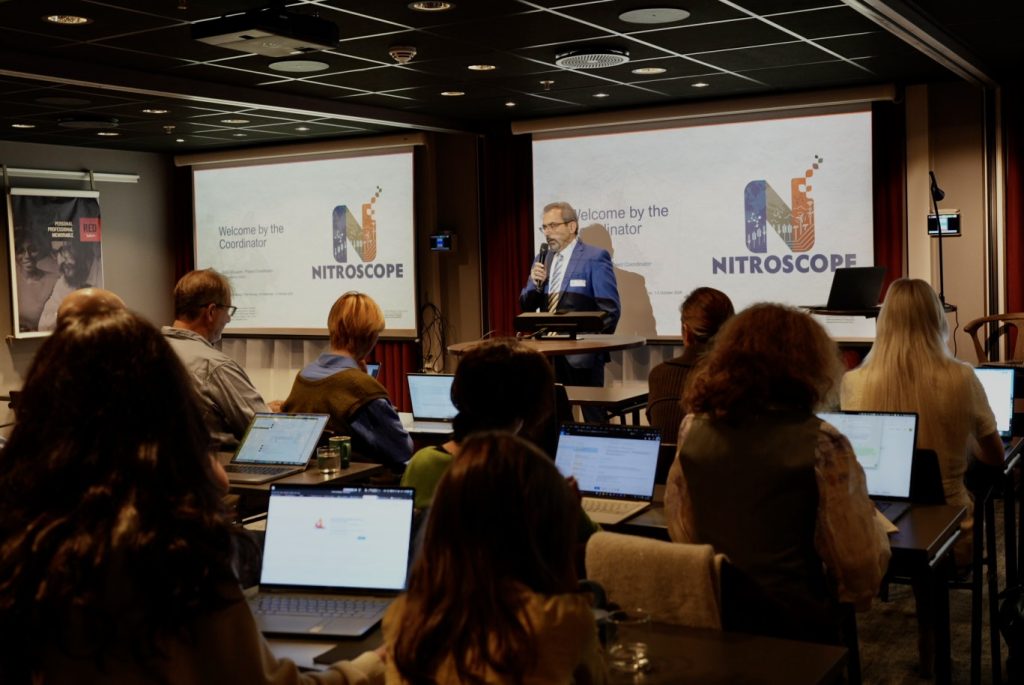
Connecting science, policy and project implementation
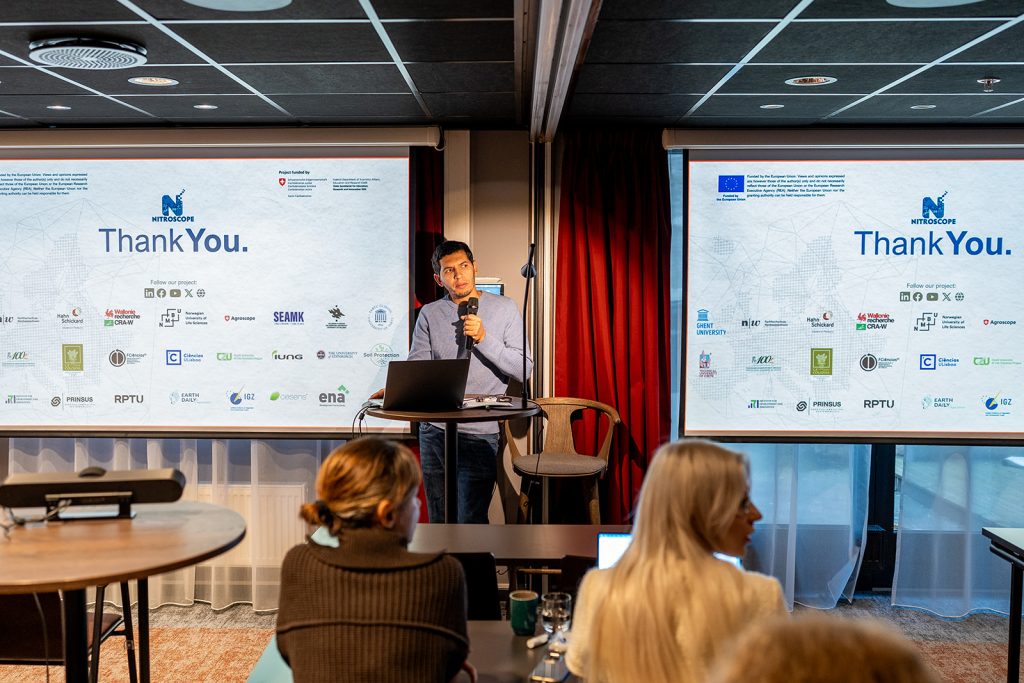
The first day opened with a welcome from project coordinator Abdul Mouazen of Ghent University, followed by a welcome address from the Norwegian University of Life Sciences and opening remarks from the European Research Executive Agency.
A dedicated “From Science to Policy” session also brought attention to the wider European policy context, including the new strategic approach to research and innovation in EU agriculture and food and the evaluation of the Nitrates Directive.
The programme then moved into updates from several Work Packages.
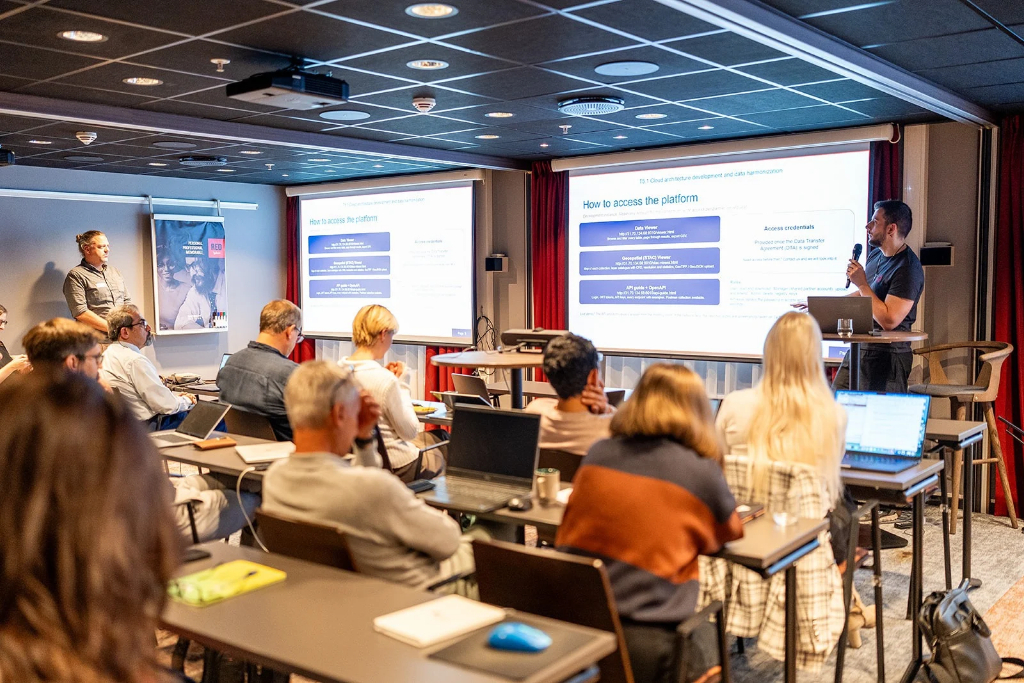
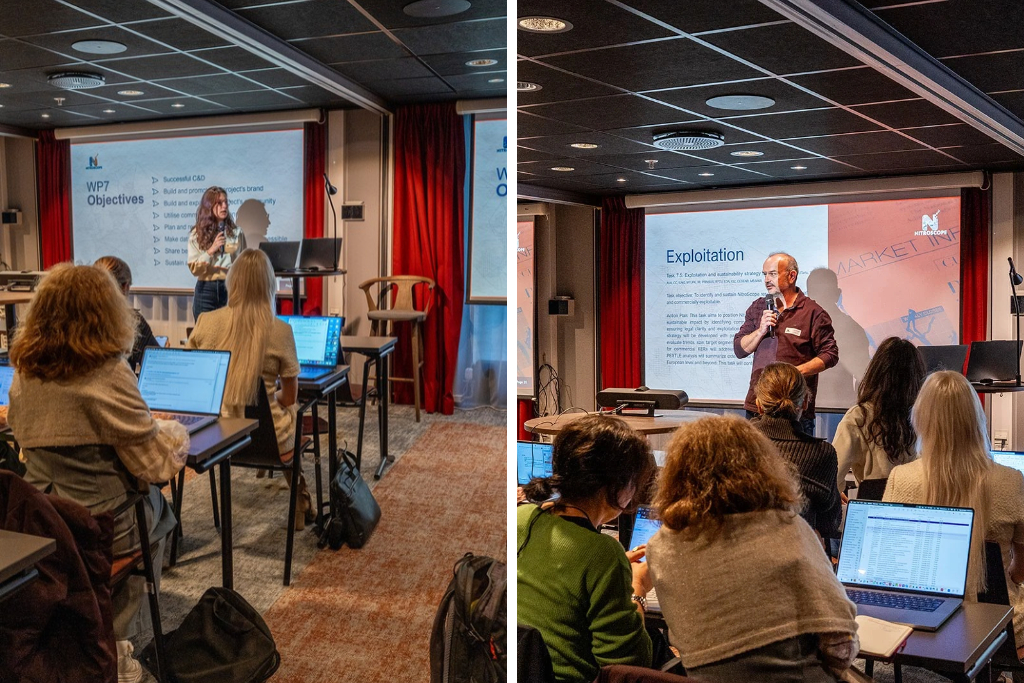
WP7, led by ena Development Consultants, presented progress in communication, dissemination and exploitation, while WP4 focused on stakeholder mapping and engagement and the initiation of socio-economic and environmental assessment activities.
WP2 presented progress on nitrogen-flux sensing, including EU data on nitrogen management and the strategy for data acquisition.
A technical workshop led by Hahn-Schickard gave partners the opportunity to explore automatic chamber systems for greenhouse gas flux monitoring, multisensor systems for nitrogen leaching monitoring, and the collection, processing and visualisation of related data.
The first day concluded with updates on project coordination, innovation management and data management, followed by the General Assembly, where partners discussed project planning, data security, historical data collection and the Data Sharing Agreement.
From monitoring methods to nitrogen management solutions
The second day focused strongly on WP3 and the implementation of monitoring activities across NitroScope sites.
Partners reviewed progress in data collection and nitrogen management across different pedo-climatic zones, including high-resolution data collection from pilot sites in Belgium, Greece and Italy.
Discussions also covered methods for intensive nitrogen monitoring at data-intensive sites, soil sampling protocols, nitrogen losses, nitrogen leaching measurements and the requirements for generating comparable datasets across locations.
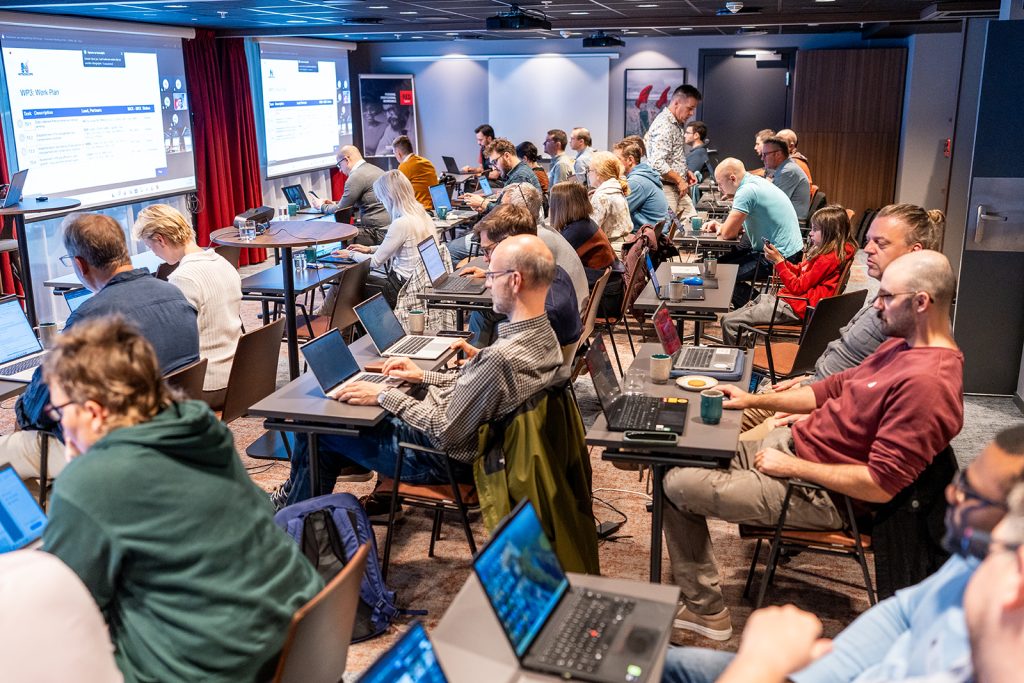
A second workshop, organised under Task 3.2, focused on the establishment of nitrogen management and conservation solutions.
Rather than presenting general project updates, pilot sites were invited to bring specific bottlenecks, open questions or challenges from their mitigation strategies and receive practical feedback from other consortium members.
The aim was to strengthen learning across different European agricultural systems and make use of the expertise available across the partnership.
The programme continued with progress updates from WP5 on the optimisation and implementation of nitrogen models for mitigation strategies and from WP6 on EU nitrogen budget estimation and scenario analysis.
An open discussion closed the scientific programme of the second day.
Bringing the discussions into the field
The final day moved from meeting rooms to the field.
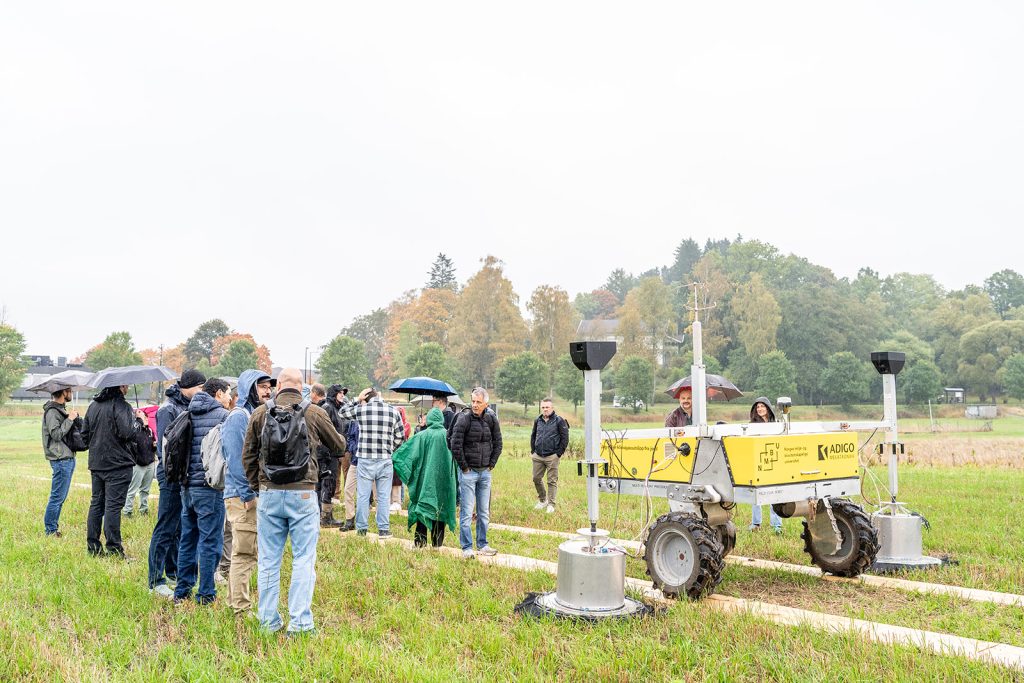
Partners travelled to the As pilot site “Kjerringjordet”, where the programme included a field walk and demonstrations of a field robot and greenhouse gas monitoring installations.
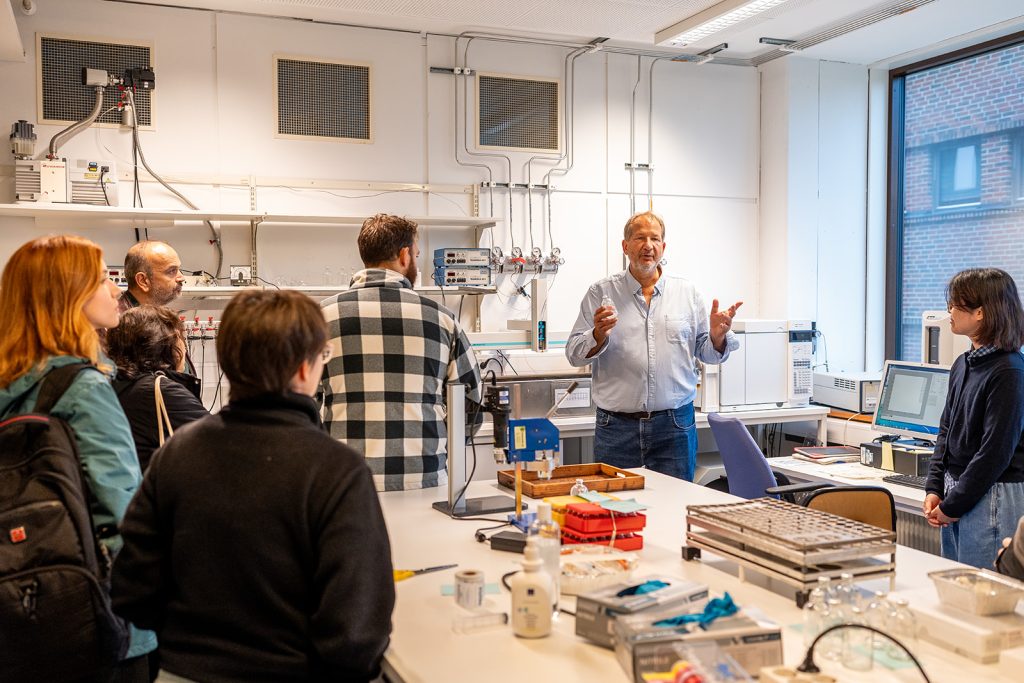
The group then visited “Søråsjordet”, a permanent field flux observation site under construction within the AgNUE project, followed by an opportunity to visit soil laboratories at NMBU.
The site visit provided a practical connection between the technologies, monitoring approaches and scientific discussions addressed during the previous two days.
Moving NitroScope into its next phase
The Oslo meeting highlighted how the different parts of NitroScope are increasingly coming together.
Monitoring systems are being deployed, field datasets are being generated, modelling activities are progressing, stakeholder engagement is expanding and the project’s communication and exploitation activities are moving forward alongside the science.
The meeting also created space for partner interviews and data-management updates, helping strengthen both communication across the consortium and the coordination of project data.
As NitroScope enters its next phase, the focus is increasingly on turning coordinated field measurements and monitoring activities into evidence that can improve our understanding of nitrogen fluxes and support more sustainable nitrogen management across Europe.
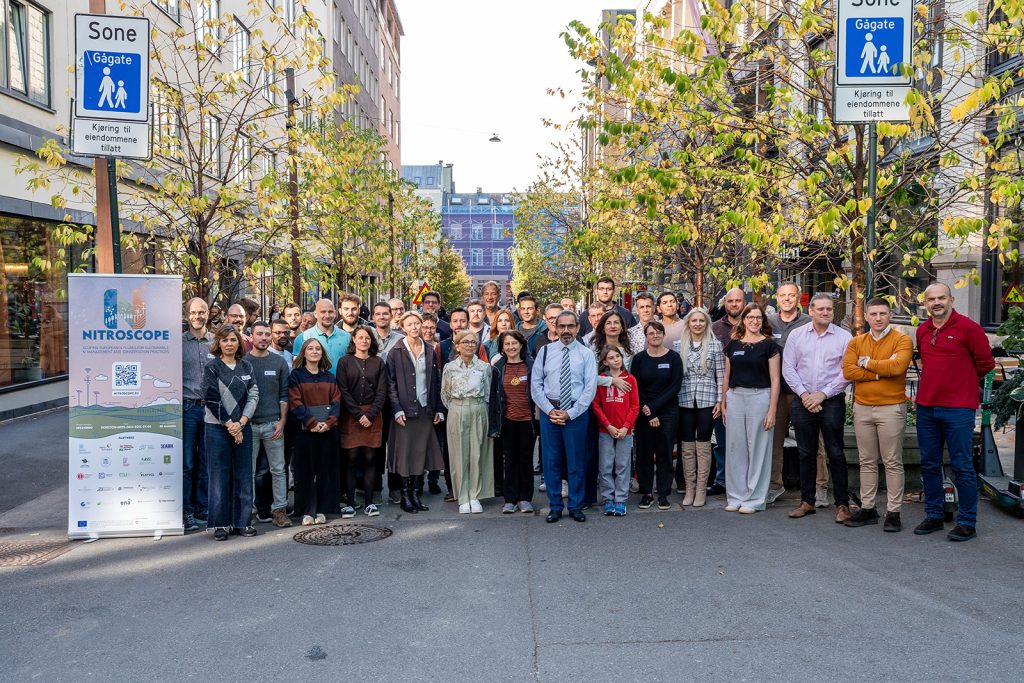
See more photos from the NitroScope Consortium Meeting in Oslo
View the photo gallery →