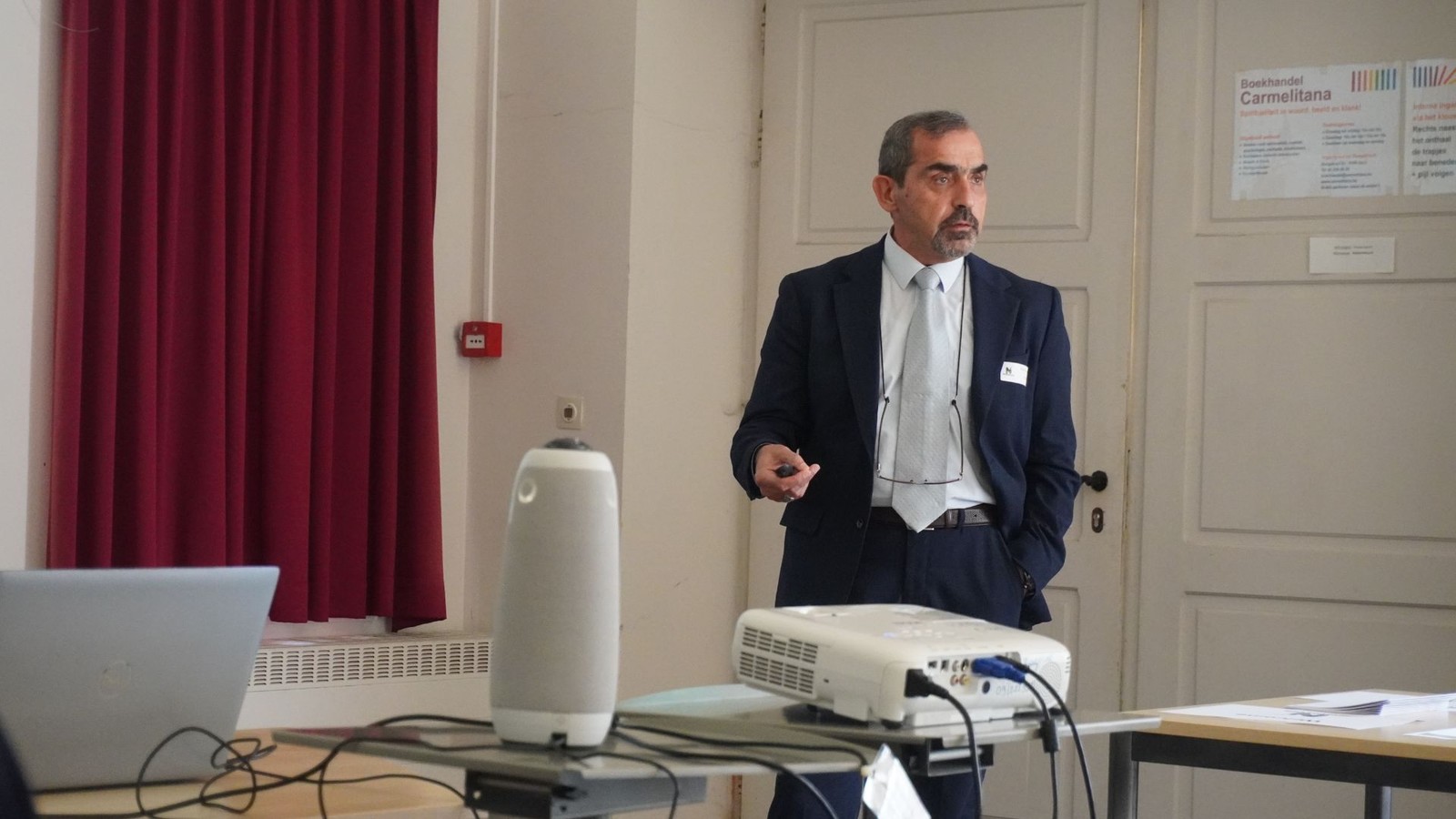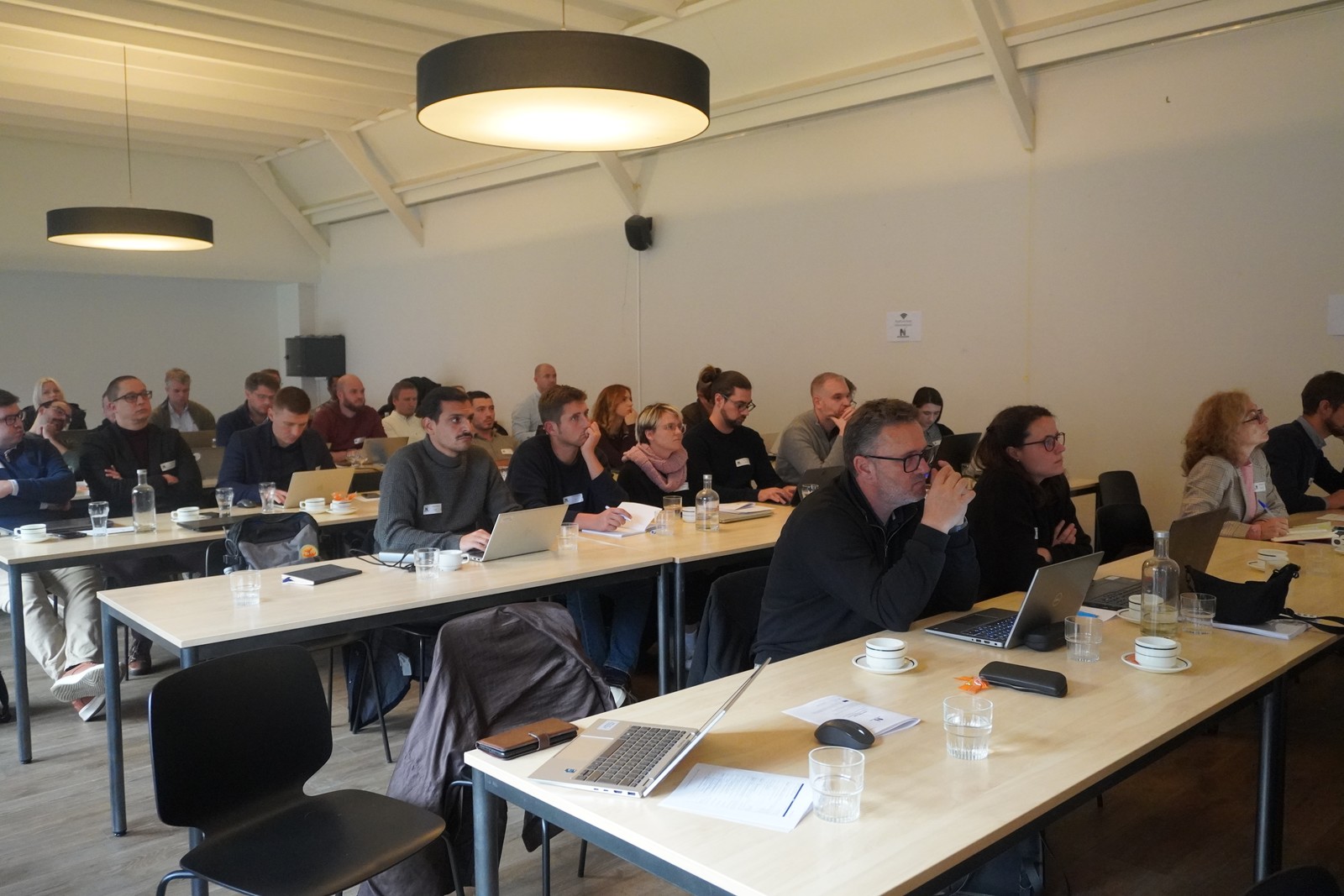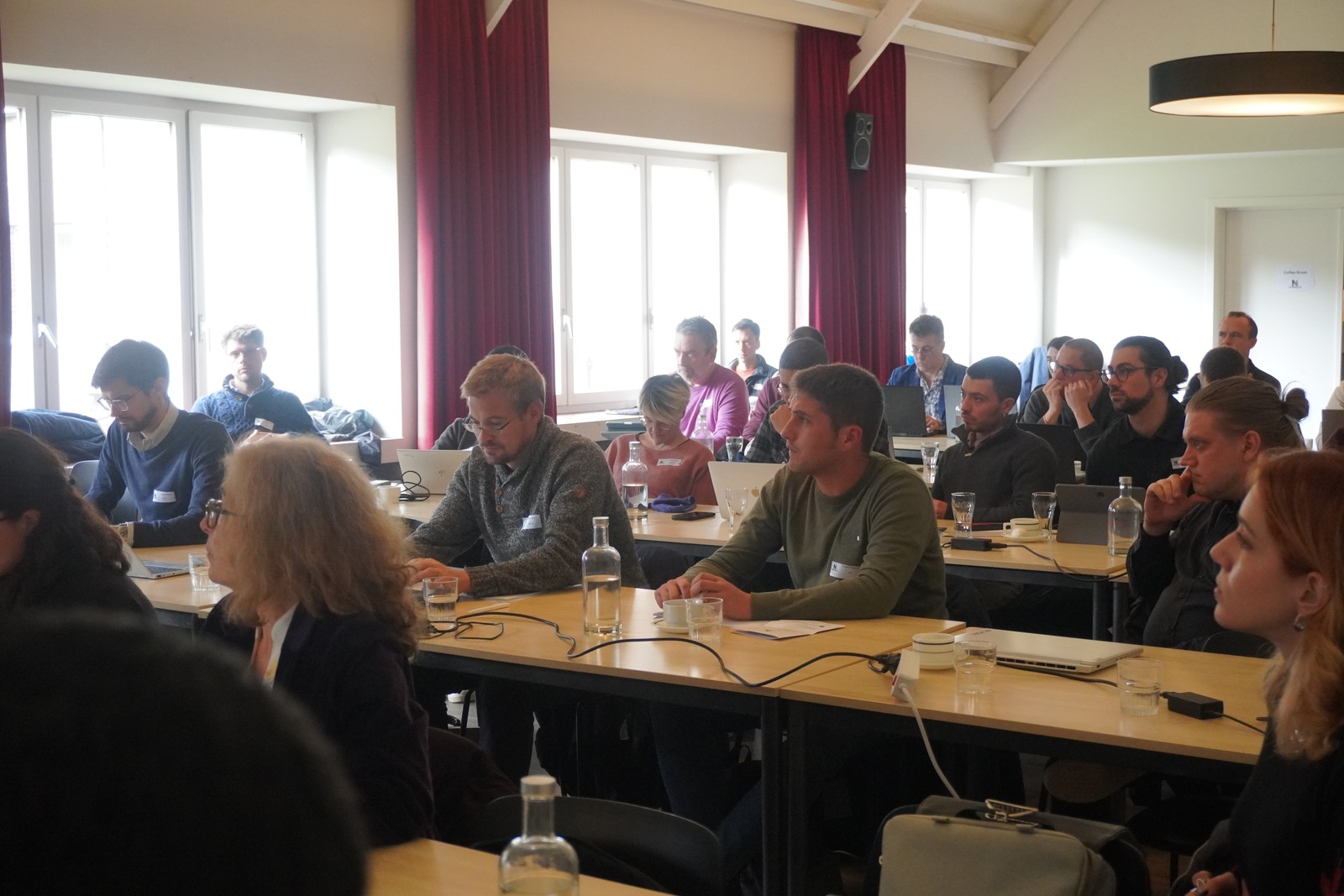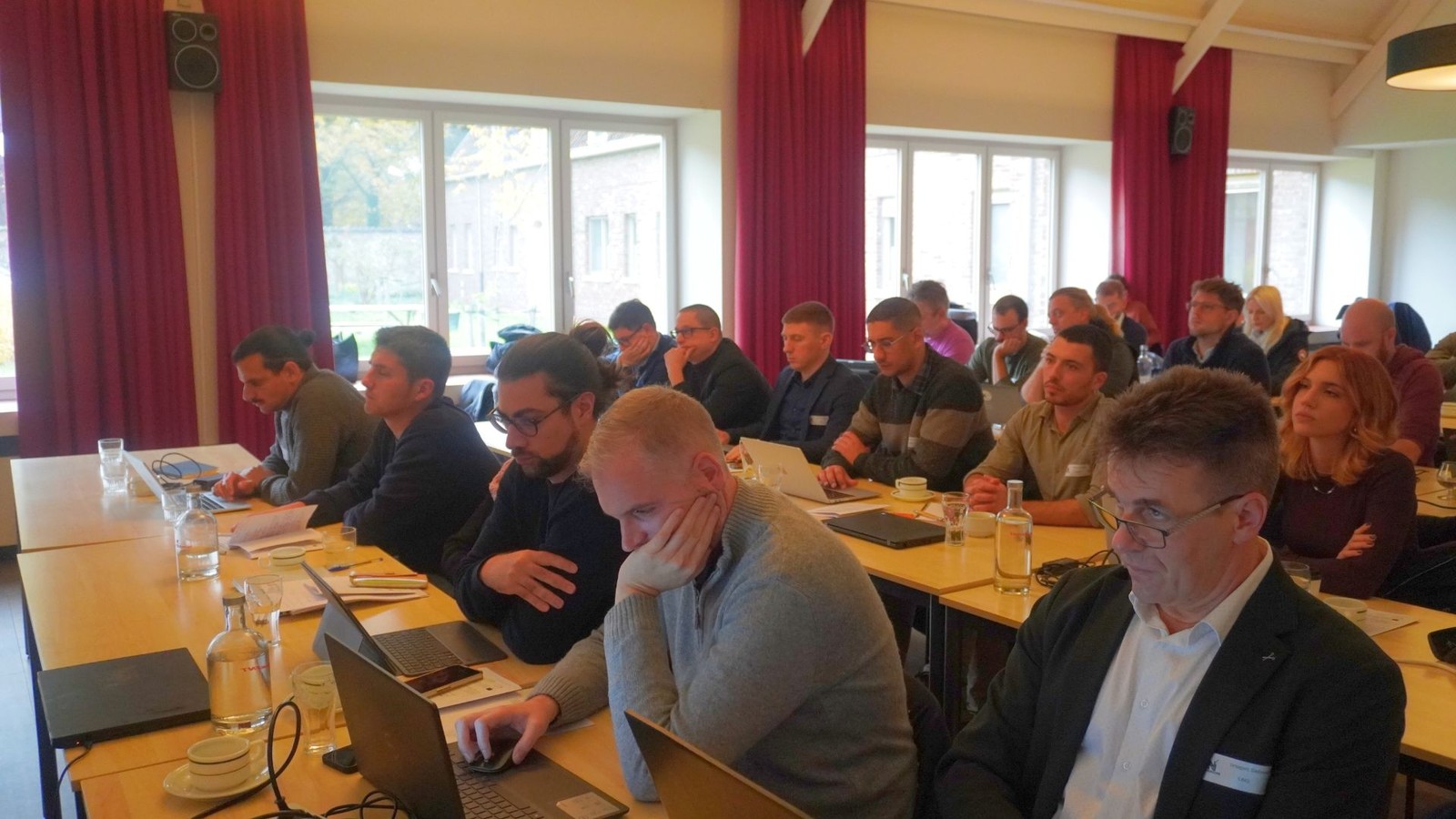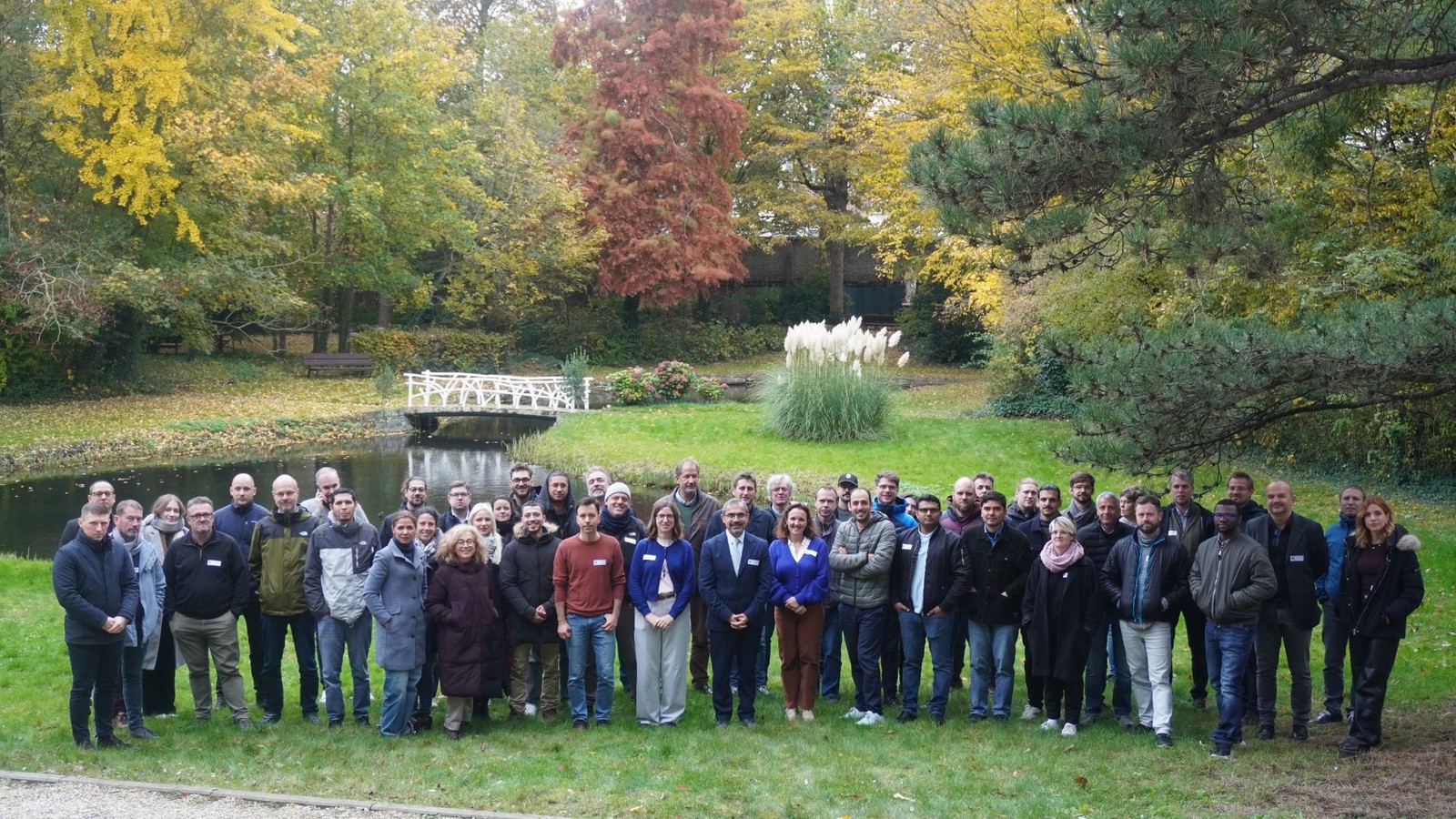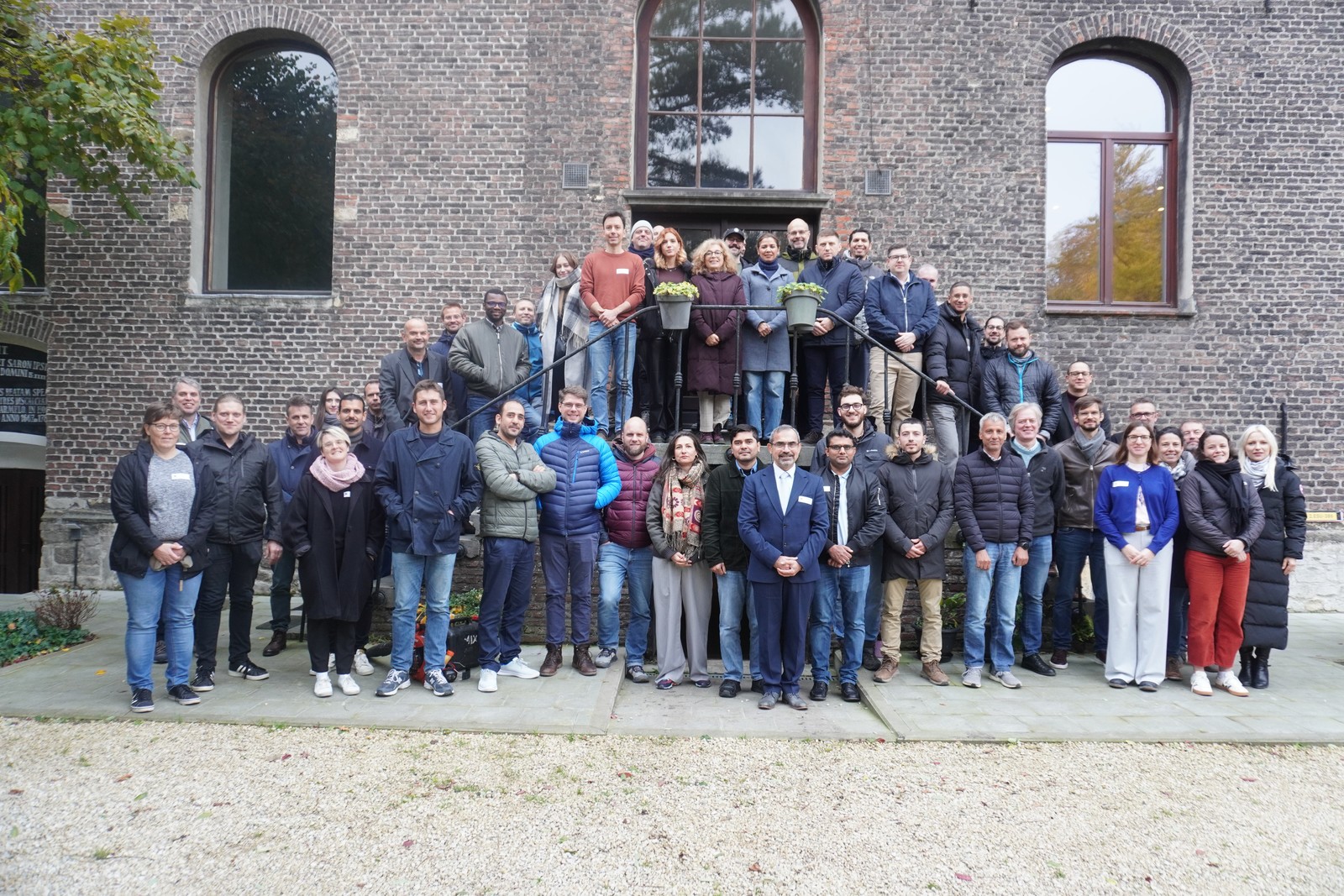
The NitroScope project officially commenced with its two-day Kick-Off Meeting held on 3–4 November 2025 in Ghent, Belgium. Hosted by Ghent University at Het Rustpunt, a restored 17th-century monastery in the city center, the meeting brought together all partners to establish a shared vision, align priorities, and initiate the coordinated work that will guide the project over the next four years.
Laying the Groundwork for Collaboration
The meeting opened with a presentation of the project’s objectives, scientific foundations, and overarching strategy, emphasizing the importance of effective collaboration between scientific, technological, and applied expertise. Partners then participated in a tour-de-table to introduce their roles within the consortium, followed by structured sessions linking European policy priorities with NitroScope’s scientific and operational framework.
The consortium’s work is built upon four key pillars: Sensing, Modelling, Integration, and Engagement. These pillars will guide efforts to harmonise monitoring approaches, improve nitrogen modelling, consolidate multi-source datasets, and ensure that findings are translated into actionable nitrogen management strategies at field level.
From Methods to Impact
The second day focused on transforming scientific knowledge into practical implementation. Partners explored the current State of the Art in nitrogen monitoring and modelling, then participated in hands-on sessions across Work Packages 2–6, covering sensing strategies, data harmonisation, nitrogen management across pedo-climatic zones, adoption pathways, modelling and scenario development, and planning for the integrated platform.
A dedicated From Science to Society session highlighted communication, dissemination, exploitation, stakeholder engagement, and policy alignment—ensuring that project outcomes will effectively support farmers, advisors, industry actors, and policymakers. The meeting concluded with the definition of a 90-day action plan and a set of initial commitments for the consortium.
Why NitroScope Matters
Today, only a portion of applied nitrogen is absorbed by crops, with the rest lost through nitrate leaching and gaseous emissions, including ammonia (NH₃) and nitrous oxide (N₂O). These losses have substantial consequences for water quality, air quality, climate, and farm efficiency.
NitroScope aims to address these challenges by integrating field sensing, remote observations, process-based modelling, harmonised data pipelines, and field-tested recommendations. The project’s ambition is to improve nitrogen use efficiency, provide tools that support nitrogen-smart decisions, and contribute to healthier soils and more sustainable farming systems across Europe.
A Strong and Diverse Consortium
The NitroScope consortium consists of 25 partners from 21 countries, representing universities, research institutes, public authorities, SMEs, and innovation-driven organisations:
- Universiteit Gent (BE)
- Fachhochschule Nordwestschweiz FHNW (CH)
- Hahn-Schickard-Gesellschaft für angewandte Forschung (DE)
- Centre Wallon de Recherches Agronomiques (BE)
- Norges Miljø- og Biovitenskapelige Universitet (NO)
- Eidgenössisches Departement für Wirtschaft, Bildung und Forschung (CH)
- Seinäjoen Ammattikorkeakoulu Oy (FI)
- Helsingin Yliopisto (FI)
- Tartu Ülikool (EE)
- Polytechneio Kritis (EL)
- Geoponiko Panepistimion Athinon (EL)
- Cà Colonna srl (IT)
- FCiências.ID – Associação para a Investigação e Desenvolvimento (PT)
- Faculdade de Ciências da Universidade de Lisboa (PT)
- Česká Zemědělská Univerzita v Praze (CZ)
- Instytut Uprawy Nawożenia i Gleboznawstwa – Państwowy Instytut Badawczy (PL)
- The University of Edinburgh (UK)
- Mittetulundusühing Pollukultuuride Klaster (EE)
- Institut za razvoj i inovacije – IRI (RS)
- PRINSUS I.K.E. Technovlastos (EL)
- Rheinland-Pfälzische Technische Universität (DE)
- GEOSYS (FR)
- Leibniz Institute of Vegetable and Ornamental Crops – IGZ (DE)
- Cesens Technologies (ES)
- ENA Σύμβουλοι Ανάπτυξης (EL), responsible for Communication, Dissemination and Exploitation
Next Steps
In the coming months, NitroScope will initiate the first operational activities, including:
- the design and deployment of sensing and monitoring strategies,
- the development of harmonised data and calibration protocols,
- the establishment of modelling workflows across diverse pedo-climatic zones,
- the preparation of pilot sites and field-level testing,
- and the launch of stakeholder engagement and communication actions.
The successful Kick-Off Meeting marks the beginning of a coordinated European effort to reduce nitrogen losses, improve soil health, and create a foundation for sustainable nitrogen management across agricultural landscapes.